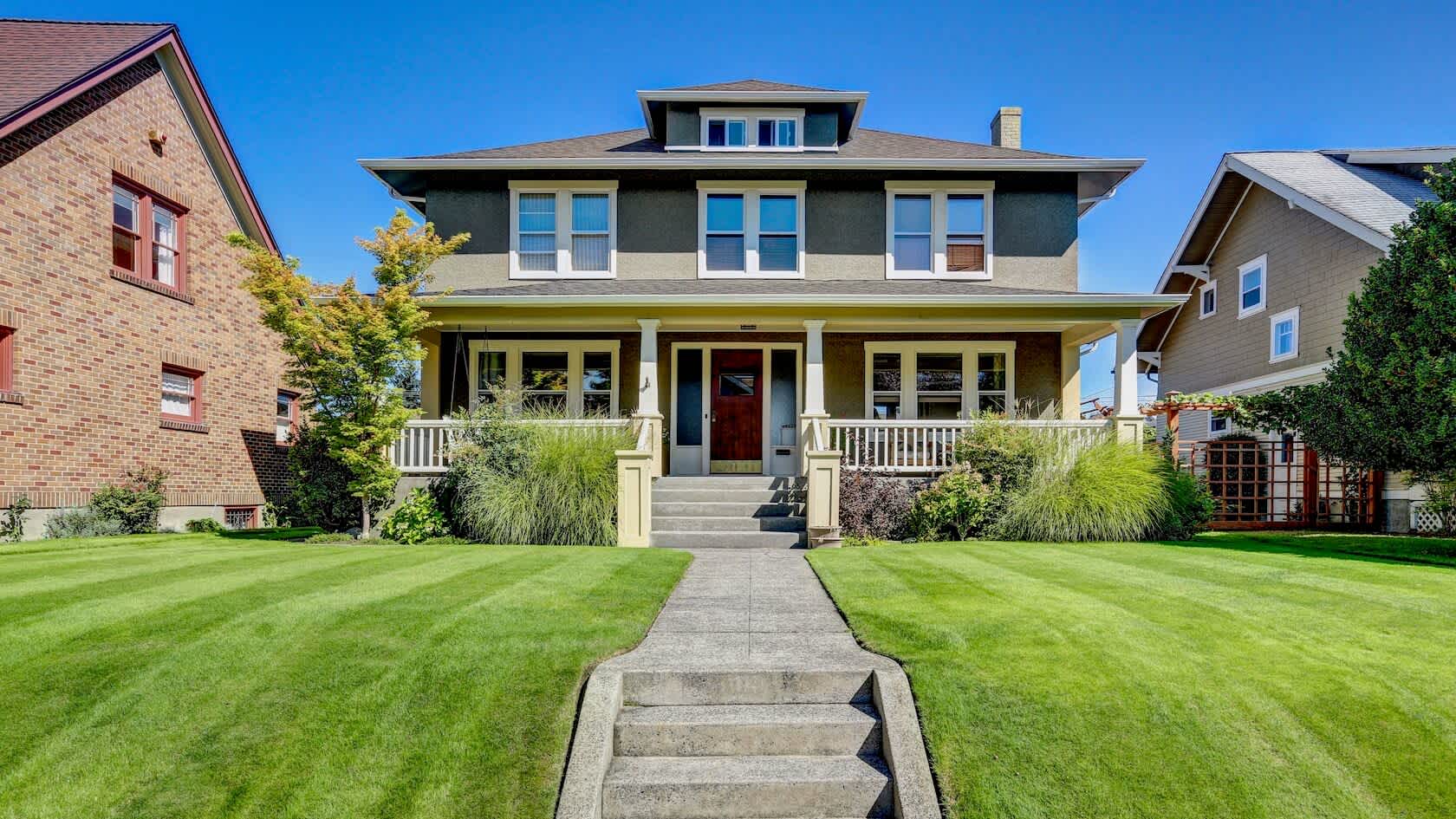

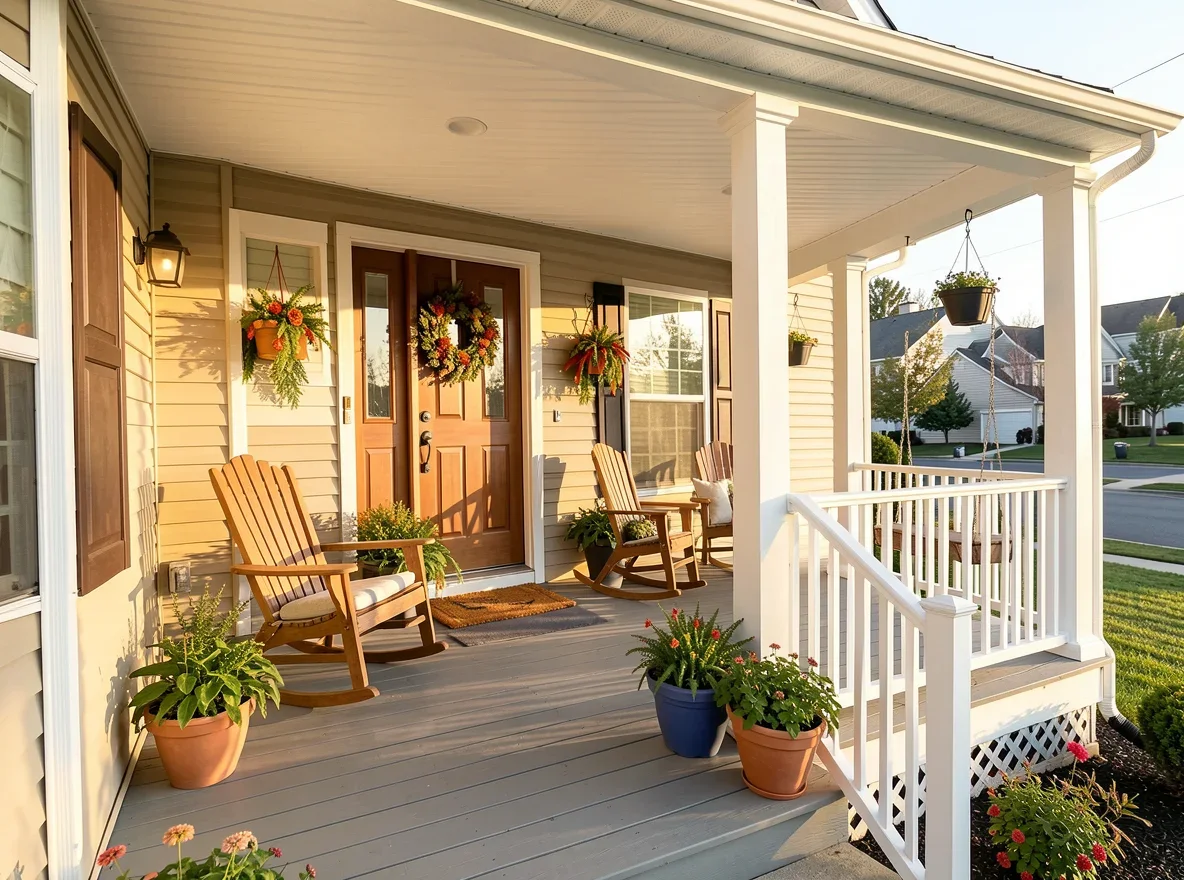
Buying your first home can feel equal parts exciting and overwhelming. It is easy to fall in love with a beautifully staged kitchen or a charming front porch, but smart buyers know the right property is about more than first impressions. The best purchase is one that fits your budget, supports your lifestyle, and still makes sense years from now.
If you are preparing to buy, this guide will help you focus on the factors that matter most. From affordability and layout to neighborhood fit and long-term value, a thoughtful approach can help you move forward with more confidence and fewer regrets.
Start with the right price point
The first step in choosing the right property is understanding what you can comfortably afford. A home may check every box on your wish list, but if the monthly payment stretches your finances too far, it can quickly become a source of stress instead of stability.
Before you get serious about touring homes, spend time reviewing your down payment, monthly budget, and likely financing options. Online calculators can help, but there is real value in speaking with a lender and your agent early in the process. A clear price range helps you shop with purpose and keeps your attention on homes that truly fit your goals.
Know your must-have space requirements
Every buyer has a different definition of enough space. For some, that means an extra bedroom for guests or future family needs. For others, it means a dedicated office, a larger yard, or a floor plan that gives everyone room to spread out.
Think carefully about how you live today and how your needs may change over the next several years. The right home should support your routine now while giving you flexibility for what comes next. Bedrooms, bathrooms, square footage, storage, and lot size all matter, especially if you want to avoid outgrowing the property too quickly.
It also helps to separate true necessities from preferences. A second living area may be helpful, but an efficient layout can sometimes matter more than raw square footage. Buyers who stay focused on function often make stronger long-term decisions.
Look beyond finishes and focus on livability
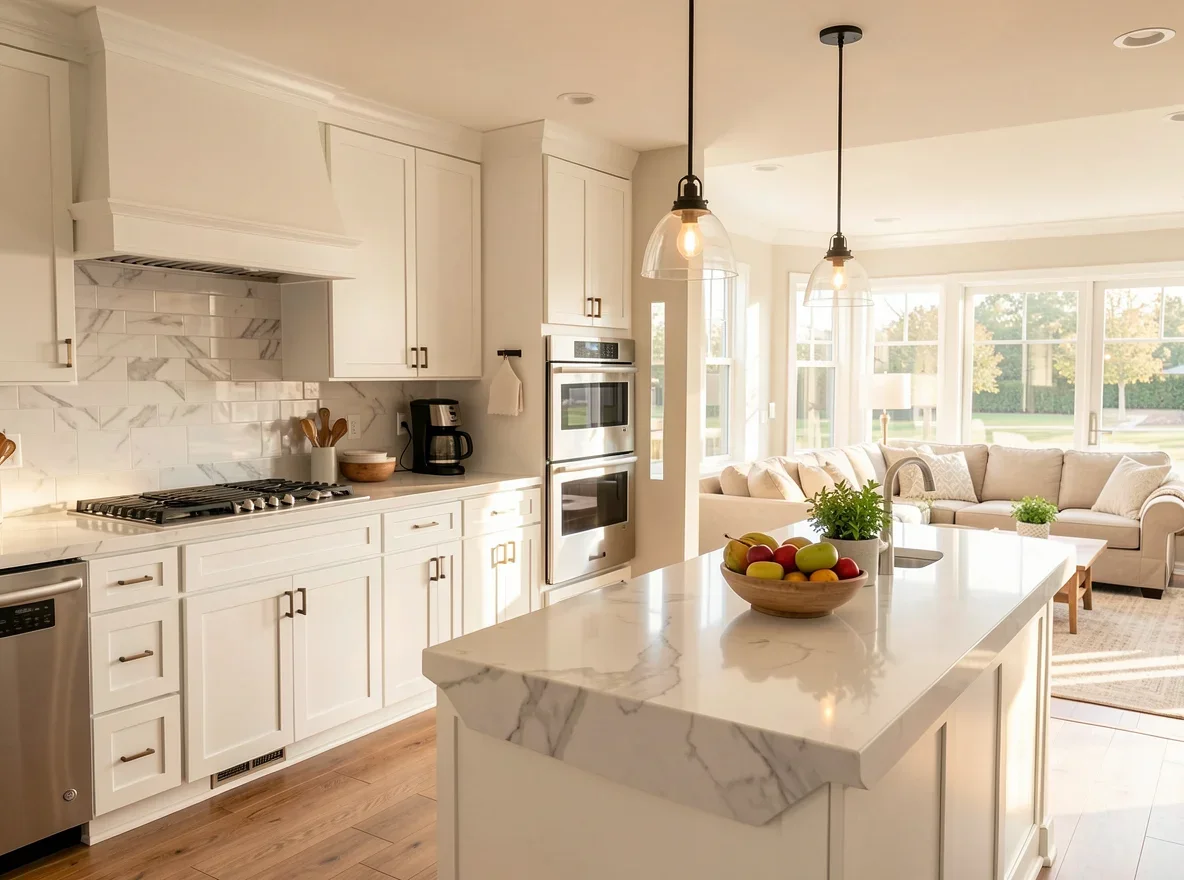
It is easy to get distracted by cosmetic details. Paint colors, countertops, light fixtures, and flooring all influence how a home feels during a showing, but many of those features can be changed over time. What matters more is whether the home works for your daily life.
Pay attention to the floor plan, the amount of natural light, the flow between rooms, and the overall condition of the property. Ask yourself practical questions. Does the kitchen have enough workspace? Is there adequate storage? Will the layout still feel functional if your household grows or your work routine changes?
A home that feels only average cosmetically may still be an excellent purchase if the structure, layout, and location are strong. On the other hand, a beautifully updated home can still be the wrong fit if it lacks the space or functionality you need.
Decide which features are truly important
Once you know your baseline requirements, you can start evaluating the features that would improve your quality of life. Maybe you want a garage, a fenced yard, a large primary suite, or outdoor space for entertaining. These details matter, but not all of them need to be non-negotiable.
Creating a list of must-haves and nice-to-haves can make your search much more efficient. It also helps you stay objective when emotions start to influence your decisions. If a home misses one preferred feature but excels in every major category, it may still be the right opportunity.
Your agent can also help you determine which features can be added later and which ones are much harder to change. That perspective can keep you from walking away from a strong property for the wrong reasons.
Choose the neighborhood as carefully as the house
When you buy a home, you are also buying into a location, a routine, and a lifestyle. That is why neighborhood fit matters just as much as the property itself. Commute times, nearby shopping, access to parks, school considerations, and overall convenience all shape how a home feels after move-in day.
Spend time learning what daily life in the area will actually look like. Visit at different times of day if possible. Notice traffic patterns, noise levels, and how close you are to the places you use most. A home can be updated over time, but the surrounding location is one thing you cannot easily change.

Location also affects resale value. Even if this is your first home and not your forever home, it is wise to think ahead. Buyers who choose areas with lasting appeal often put themselves in a stronger position when it is time to sell later.
Be realistic about fixer-uppers and bargains
A lower price can be appealing, especially for first-time buyers trying to maximize value. But a home that seems like a bargain may come with repair costs, delays, and stress that outweigh the initial savings. Not every discounted property is a smart opportunity.
If you are considering a home that needs work, look closely at the type of updates required. Cosmetic improvements are very different from foundation issues, roof problems, outdated systems, or major water damage. The right fixer-upper can build equity, but only if the scope of work matches your budget, timeline, and tolerance for disruption.
This is where professional guidance matters. Your agent can help you compare the true cost of repairs against the value of move-in-ready alternatives, so you can make a decision based on facts instead of guesswork.
Keep your long-term goals in view
The perfect property is rarely about perfection. It is about alignment. The right home should support your finances, fit your lifestyle, and offer enough flexibility to serve you well over time. Buyers who stay focused on those fundamentals are more likely to make confident decisions and avoid common first-time mistakes.
If you are ready to begin your search, our team can help you evaluate homes with a practical, informed perspective. With the right strategy and expert guidance, you can narrow your options, move with confidence, and choose a property that feels like the right fit from day one.